


8 Day 50 Hour Trauma-Informed Yoga Teacher Training in Tenerife, Spain
Shambhala Yoga School, 15 Calle Tierra de Oro, La Montañeta, Spain
Yoga
Develop your teaching. Understand different needs. Create space for everyone.
Trauma-Informed Yoga Teacher Training in Tenerife
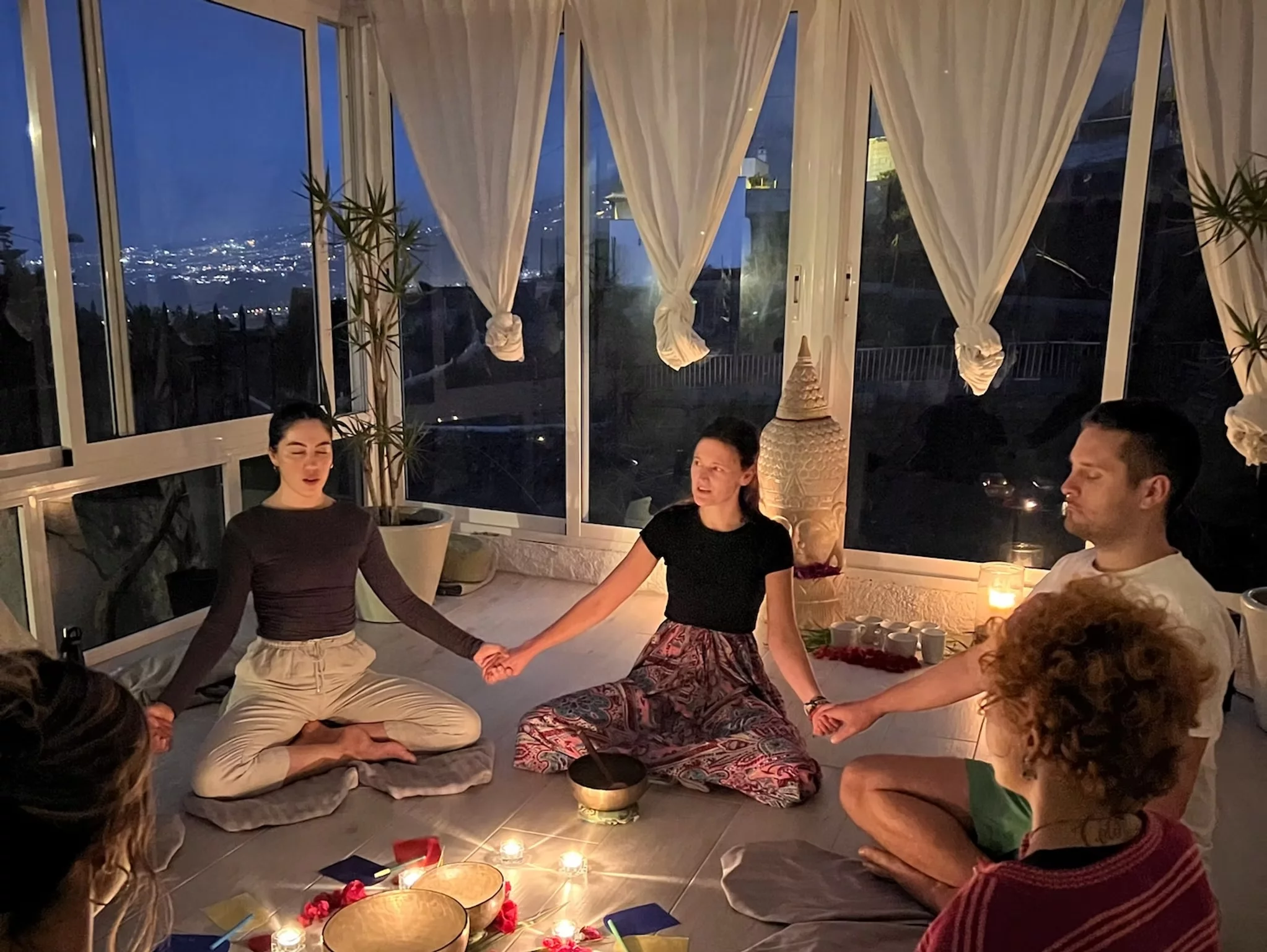
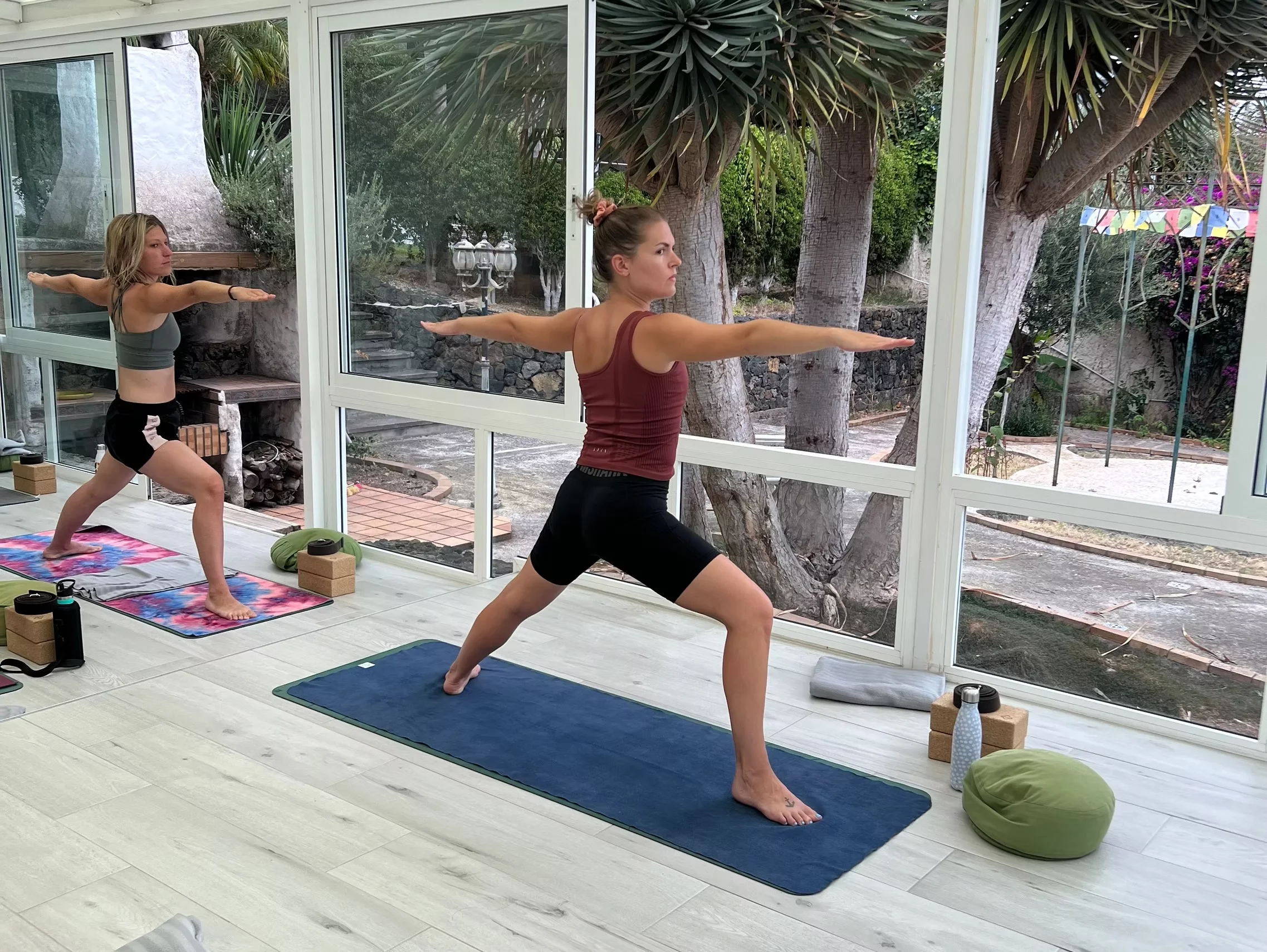
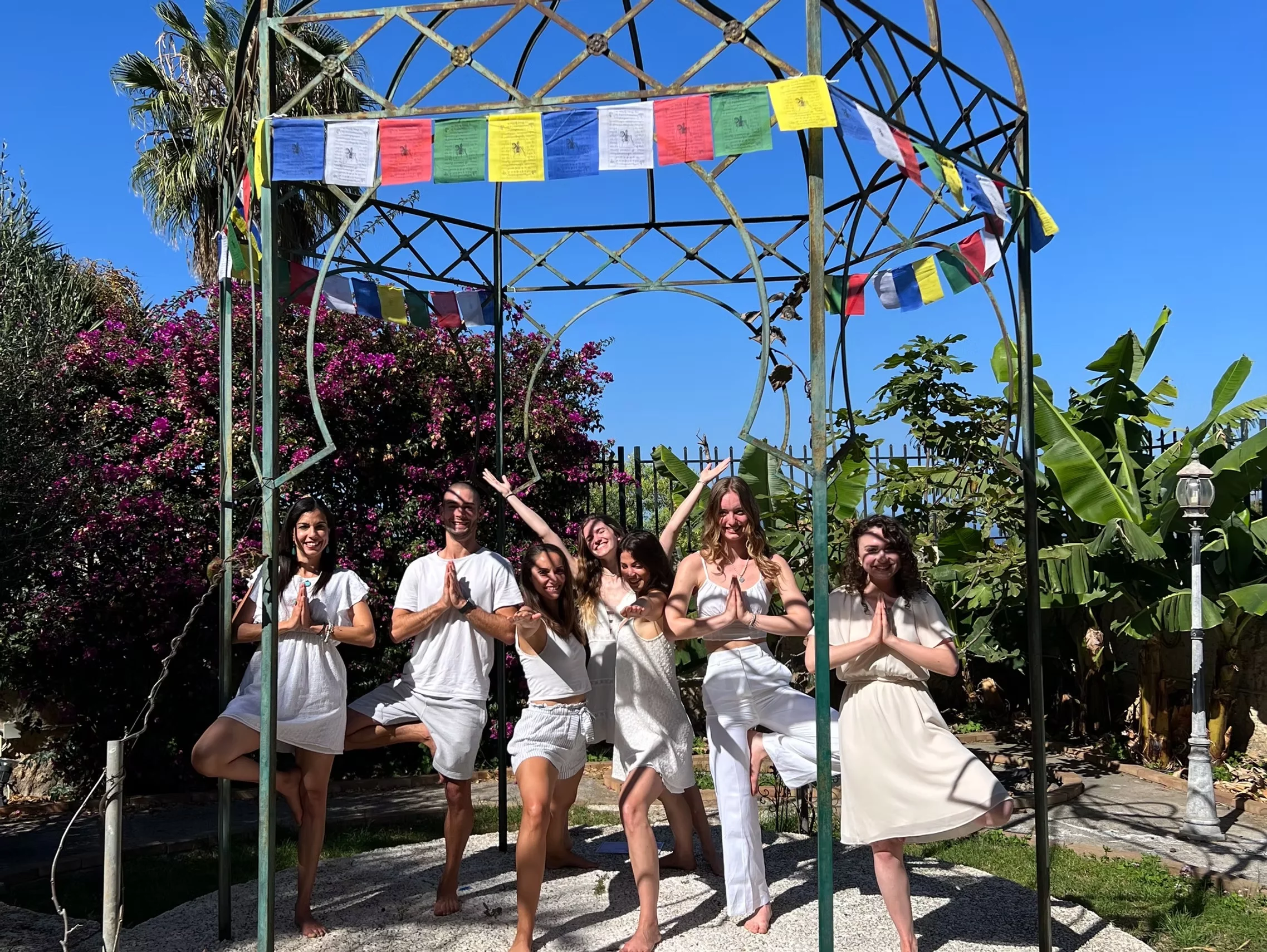
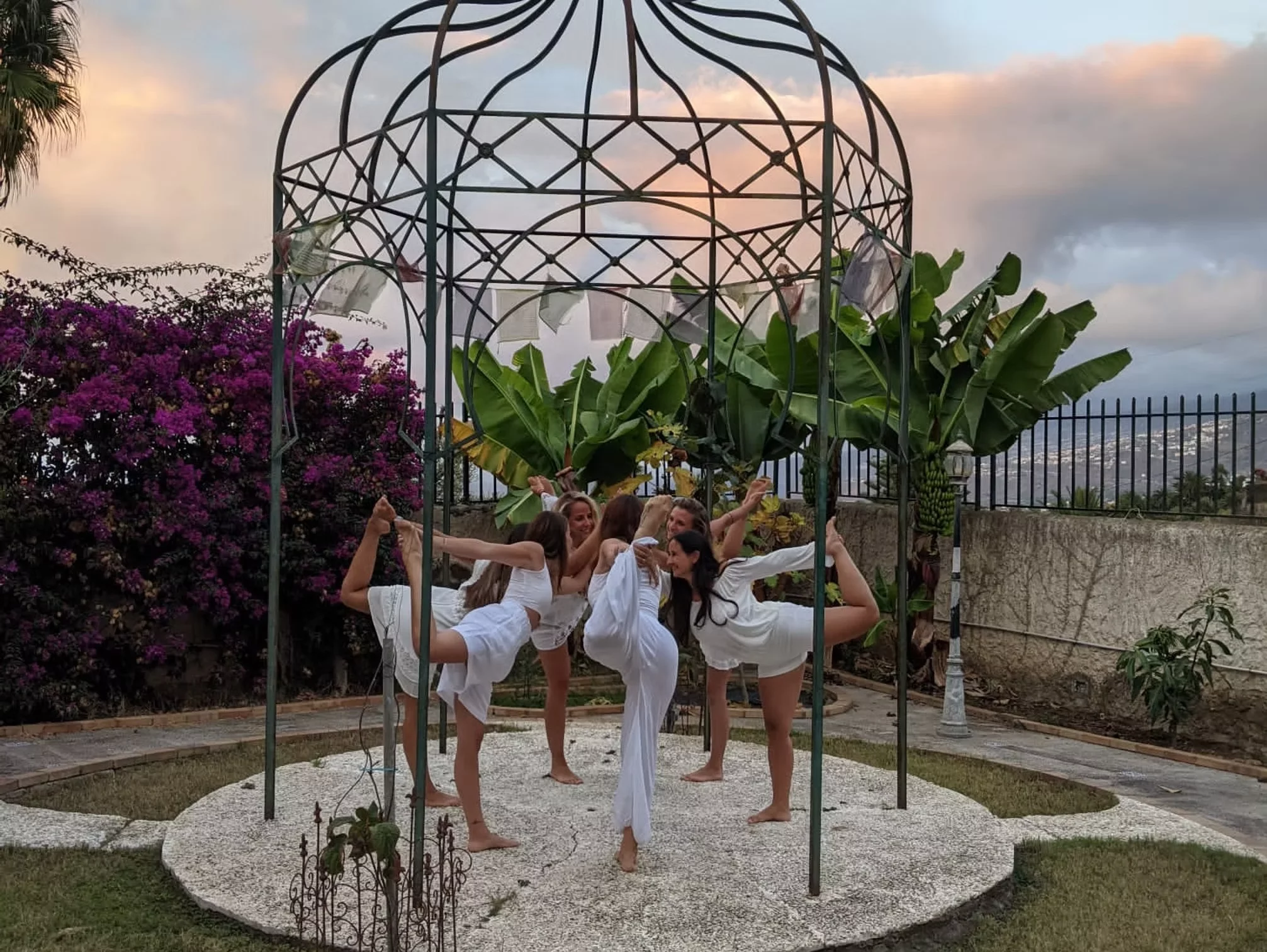
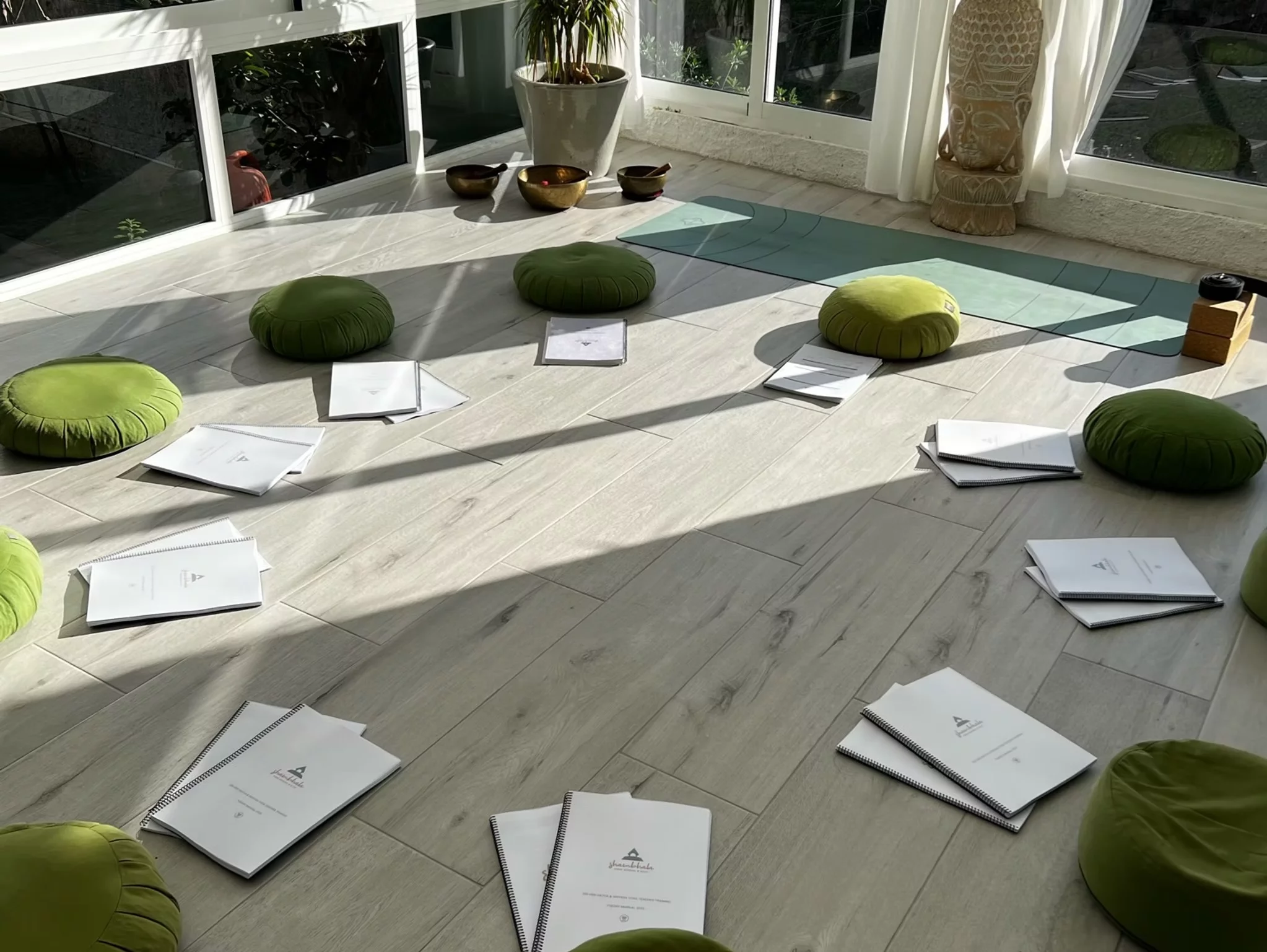
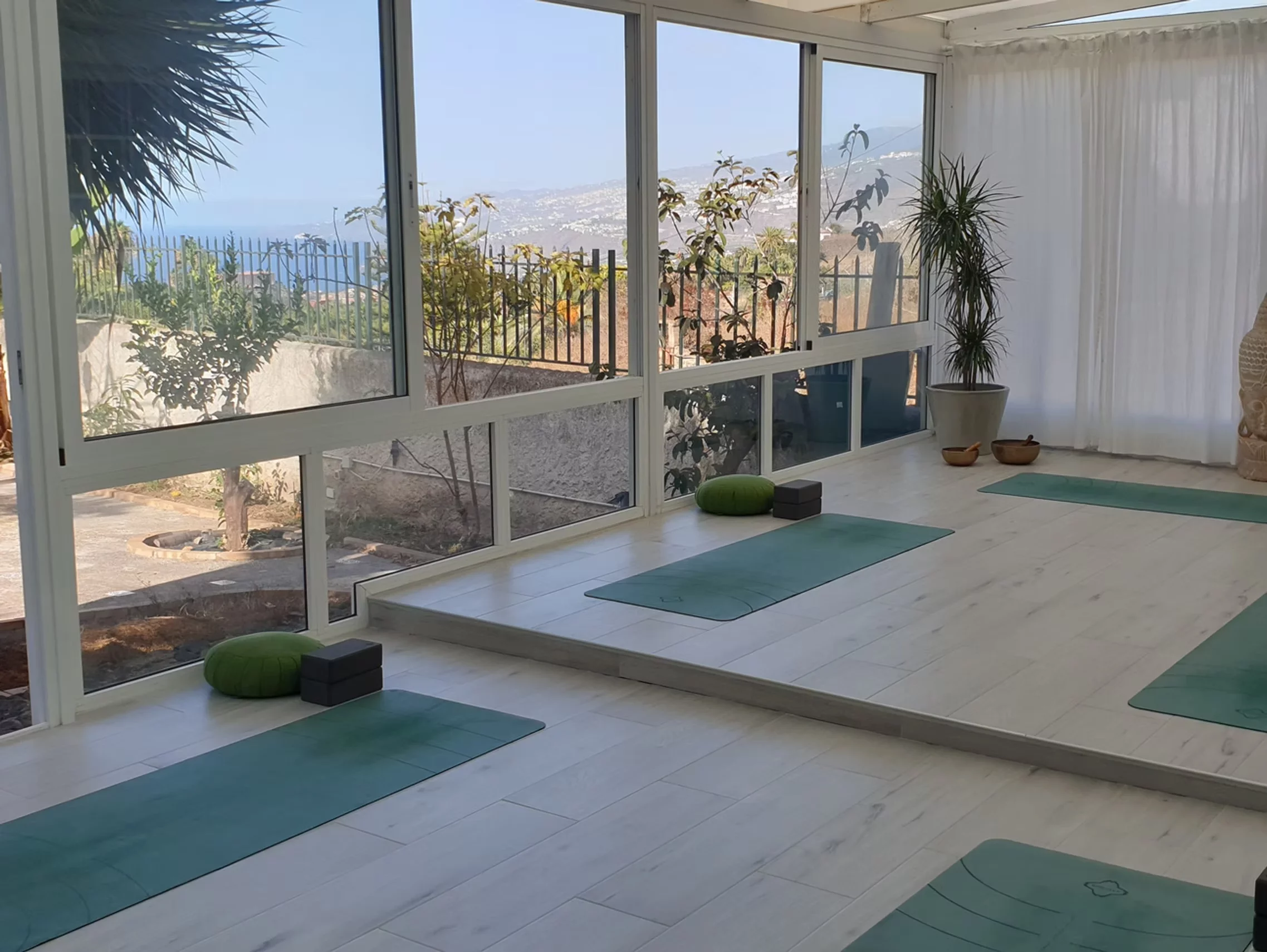
This 50-hour training brings together trauma-informed principles and inclusive yoga teaching. You’ll explore how stress and trauma can influence the experience of yoga, learn practical ways to adapt your teaching to different needs, and develop approaches that help students feel respected, supported and able to make their own choices. With a maximum of 9 students and 2 teachers, you’ll have time to explore, ask questions and put what you learn into practice. All of this takes place at Shambhala, in the north of Tenerife, where yoga, nature, and a slower pace of life come together.
Meet the instructors

Maya Lindvall
Originally from Sweden, Maya was introduced to yoga and Qigong by her mother from an early age. In 2019, she returned to yoga and quickly felt a deep sense of connection with the practice. She completed her 200-hour yoga teacher training at Shambhala, beginning a journey that would become an important part of her life. Maya brings together the strength and discipline of Ashtanga, the quieter depth of Yin yoga and her trauma-informed approach to teaching. She is known for her grounded presence, genuine care and ability to make students feel seen and supported while encouraging them to discover their own confidence and voice as teachers.
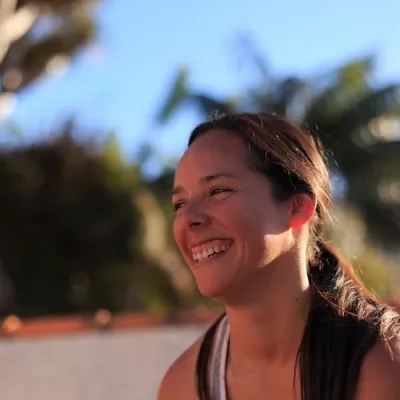
Andrea Santos Richardson
Andrea is the co-founder and course director of Shambhala Yoga School — a dream she carried for many years before bringing it to life together with Ronny. Today, she is one of the people behind the heart, vision and day-to-day life of the school. Andrea's yoga journey began in 2008 after a transformative experience in Thailand, leading her to study Thai massage and complete her first Hatha yoga teacher training. Since then, she has continued to explore and study different approaches to yoga and holistic wellbeing, including Hatha, Vinyasa, Yin, Restorative, Somatic and Trauma-Informed yoga, as well as Prenatal and Ashtanga yoga, Ayurveda, sound healing and Bhakti yoga.
Highlights
- Certificate of completion
- Vinyasa, Restorative, and Yin yoga
- Explore how stress and trauma can influence a person
- Learn practical ways to make your teaching more accessible and adaptable
- Develop your own approach to supporting different needs
- Vegetarian ingredients for preparing your meals
- Small group for more space to learn
- 7 nights accommodation
Yoga styles
- Vinyasa Yoga
- Restorative Yoga
- Yin Yoga
- Yoga Nidra
Skill level
- Beginner
- Intermediate
- Advanced
6 days with instruction in English
Staff also speaks English
Accommodation
During your training, Shambhala becomes more than a place where you practice yoga. You live at the school, practice there, learn there and share everyday life with the people around you.
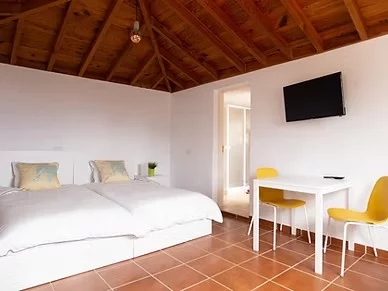
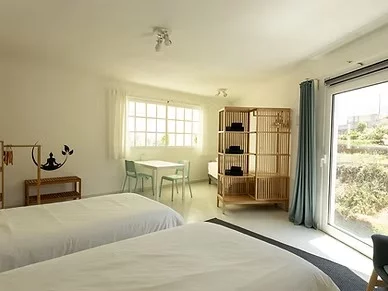
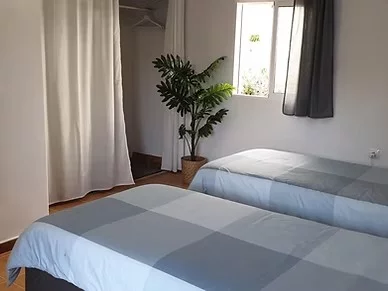
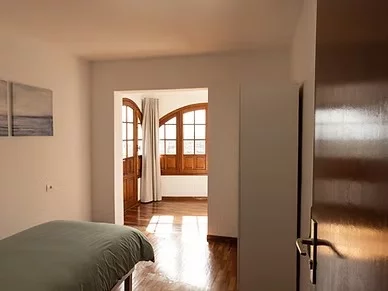
The rooms are comfortable and welcoming, with accommodation options to suit different preferences and budgets. All the rooms have their own bathroom, shared only with the people staying in your room — not with the whole school.
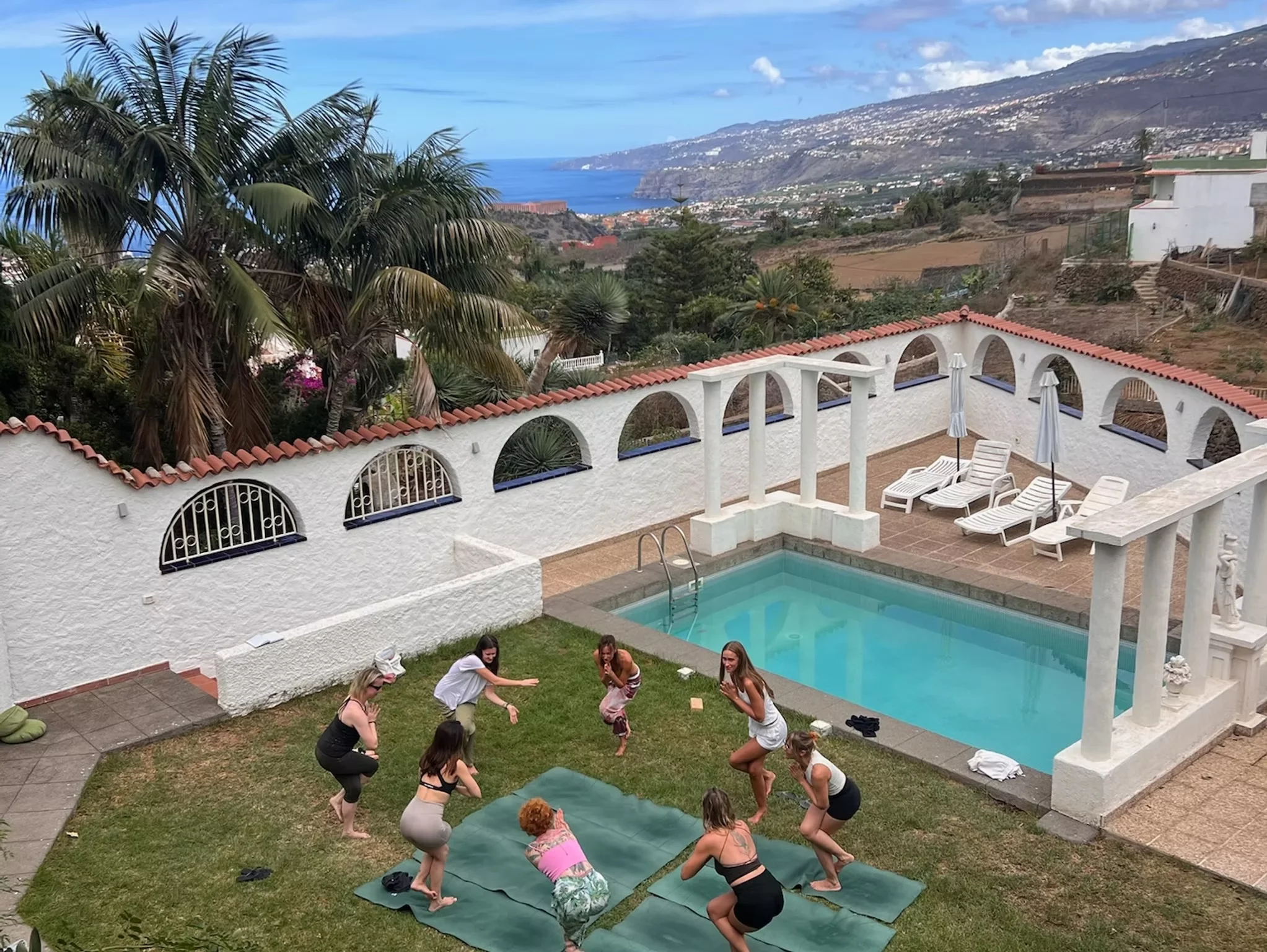
With accommodation right at the school, your yoga practice, learning and everyday life naturally become part of the same experience. You can walk from your room to the shala, spend time in the garden, take a swim between sessions or simply find a quiet space to rest and recharge.
You’ll also have access to a washing machine, shower towels, a hairdryer in every room, and the sauna.
During the winter months, Shambhala Yoga School offers special sauna evenings — a lovely way to unwind after a day of practice.
Shared Triple Room with Patio
A comfortable shared room with three single beds, private en-suite bathroom, Wi-Fi, and a private patio.
This room has a more sheltered orientation and receives less direct sunlight, so it can feel cooler during the winter months. If you prefer a brighter, warmer room, this triple room near the shala may be a better choice.
Shared Triple Room
A bright and comfortable shared room with three single beds, private en-suite bathroom, Wi-Fi, and towels.
Located close to the yoga shala, it receives more natural sunlight and has a warmer feel — a lovely choice if you enjoy bright spaces and being close to the heart of the school.
Shared Double Room with Terrace
A comfortable shared room with two single beds, private en-suite bathroom, Wi-Fi and towels.
The highlight is your private terrace, offering a beautiful outdoor space to relax and enjoy the mountain and ocean views.
Single Room
A cosy private room with a single bed, Wi-Fi, and towels, offering a little more privacy and your own space to rest after a day of practice.
The room has access to a terrace with beautiful views towards the Atlantic Ocean. The bathroom is shared with one other person.
Food
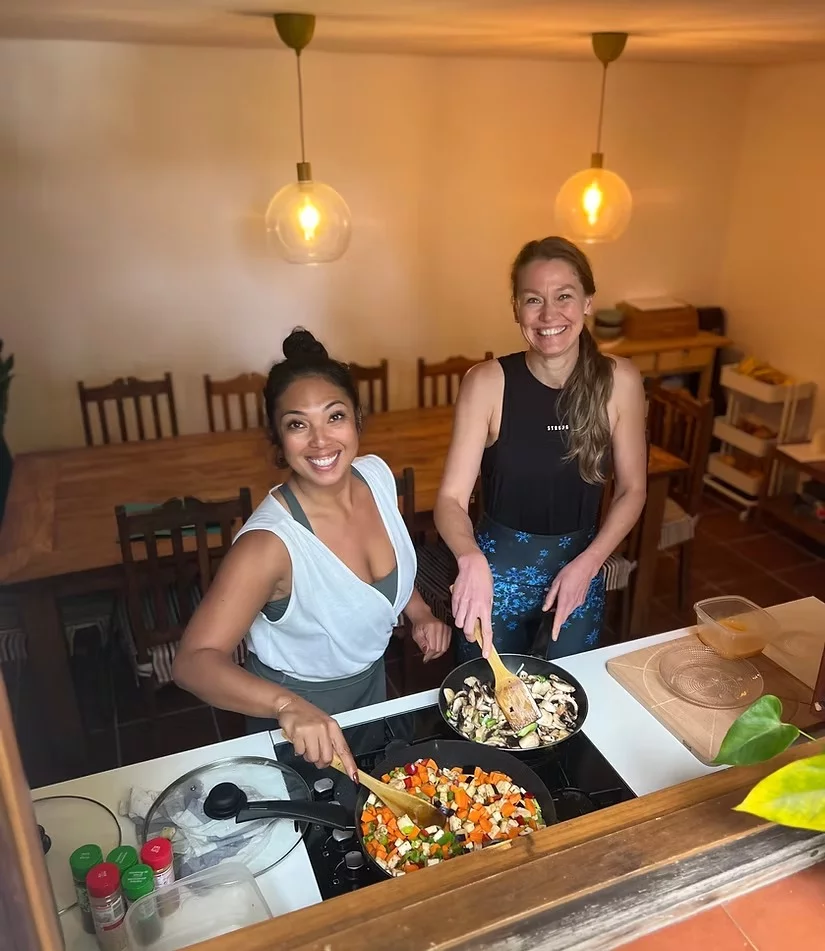
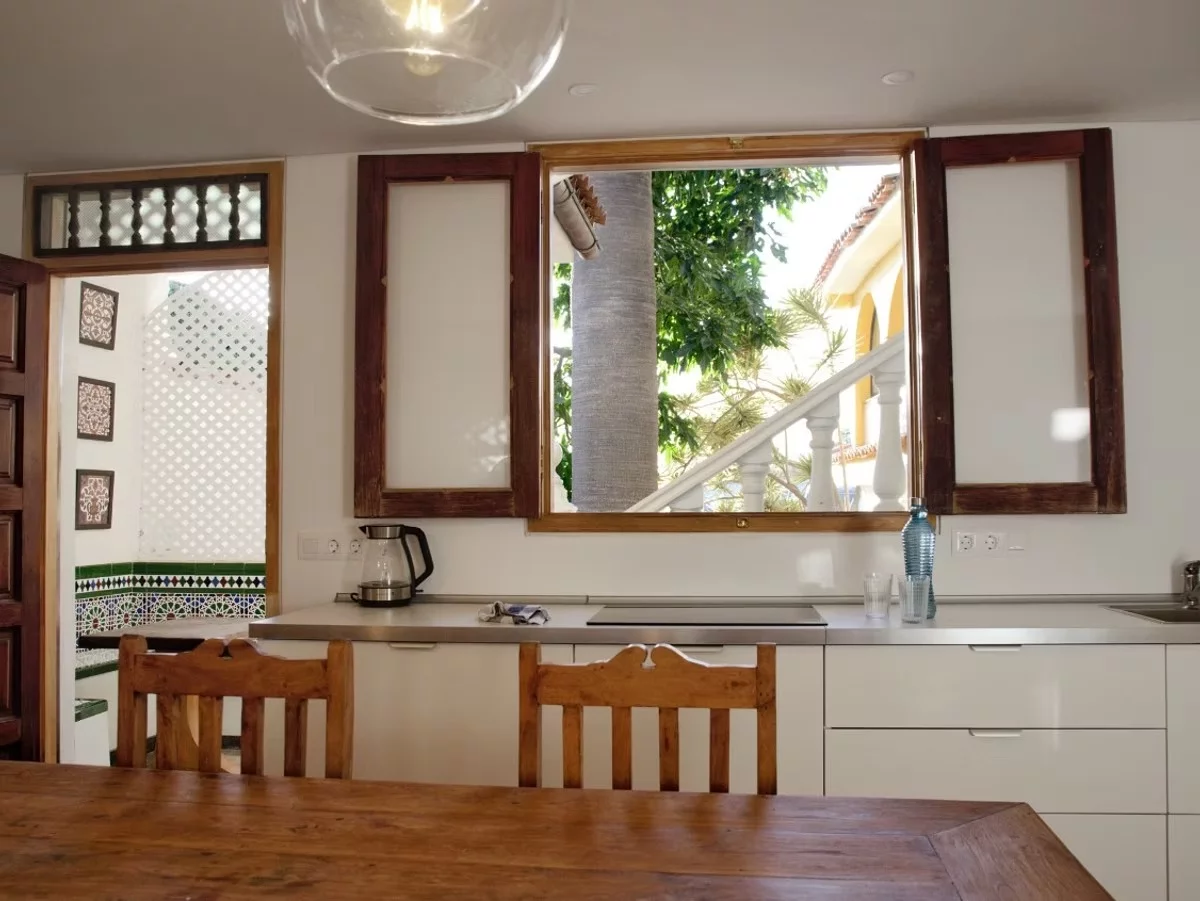
Shambhala believes that some of the most beautiful moments are the simple ones you share with others. Food is part of that experience at Shambhala. The spacious kitchen and shared dining areas naturally become places to connect, talk, laugh, and enjoy time together.
Fresh ingredients are provided throughout your training, giving you the freedom to prepare nourishing meals and enjoy them together with your group.
They carefully choose fresh vegetarian ingredients, with a focus on seasonal and locally sourced produce whenever possible. They love supporting local farmers and bringing the flavours of Tenerife into everyday life at Shambhala. They also grow some of their own produce in the garden, including delicious Canarian bananas.
Vegan and gluten-free options can be accommodated, as well as other dietary requirements and allergies. Just let them know in advance so they can make sure the ingredients provided are suitable for you.
Food is not just about nourishment. It is another opportunity to slow down, share, connect, and feel at home.
Meals included
- Breakfast
- Dinner
- Lunch
Food types
- Vegetarian Food
- Vegan Food
- Other Dietary Requirements
- Gluten Free Food
Program
Yoga, sunshine, and a different pace of life
Learning something new can be even more meaningful when you give yourself time and space to experience it.
At Shambhala, your training takes place in the north of Tenerife, surrounded by mountains, ocean, and the relaxed rhythm of island life. Between classes, there is time to sit in the garden, swim, explore the island, or simply enjoy a quieter moment.
Your time here is about more than completing 50 hours of training. It is an opportunity to learn alongside others, exchange ideas, discover new perspectives, and step away from your usual routine for a while.
With yoga, nature, and a small group at the heart of your experience, you can focus on your learning while enjoying everything that makes Tenerife special.
Why trauma-informed and inclusive yoga?
Every person arrives at a yoga class with their own experiences, needs, and relationship with their body. The same instruction, posture, or breathing exercise can feel very different from one person to another.
Trauma-informed and inclusive teaching invites you to pay attention to these differences. It encourages you to offer choices, use thoughtful language, respect personal boundaries, and recognize that there is no single way to experience yoga.
During this training, you’ll explore how stress and trauma can affect a person’s experience of movement, breath and relaxation. You’ll learn practical ways to adapt your teaching, make space for individual needs, and give students greater choice in how they participate.
The aim is not to diagnose or treat trauma. It is to become a more thoughtful, adaptable, and inclusive yoga teacher, with a deeper understanding of the different people who may come to your classes.
Why only 9 students?
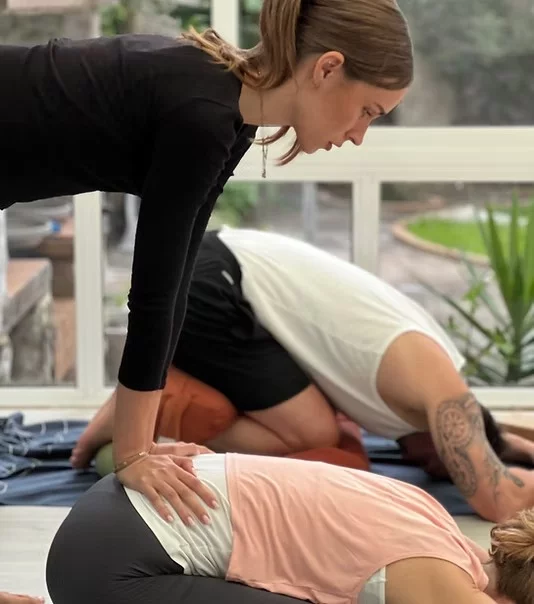
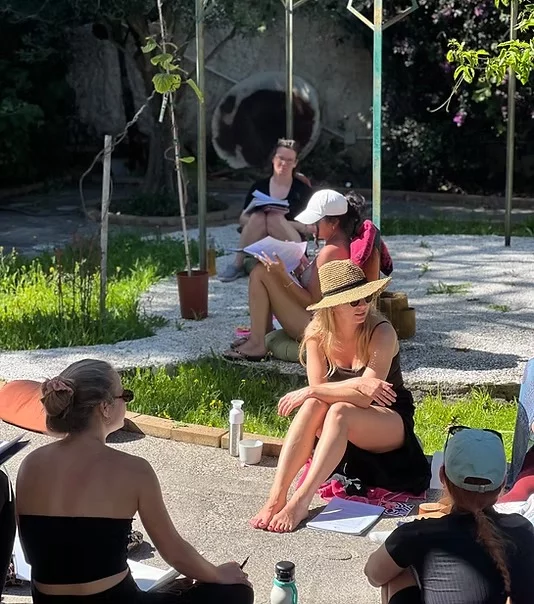
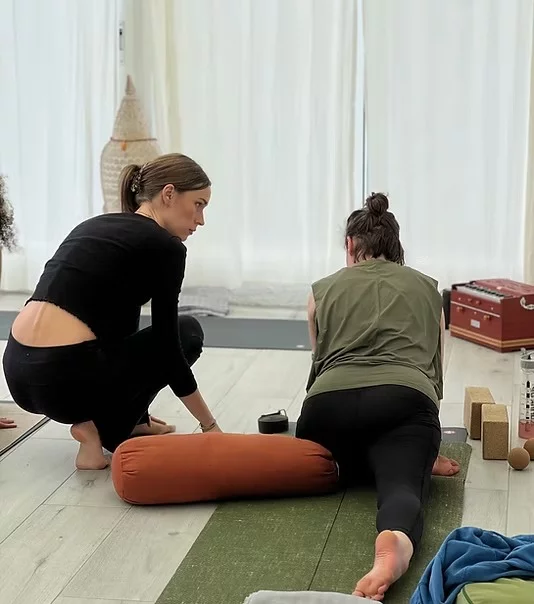
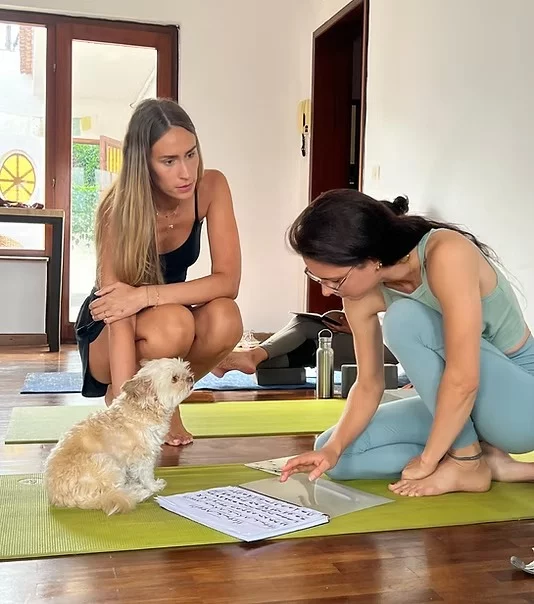
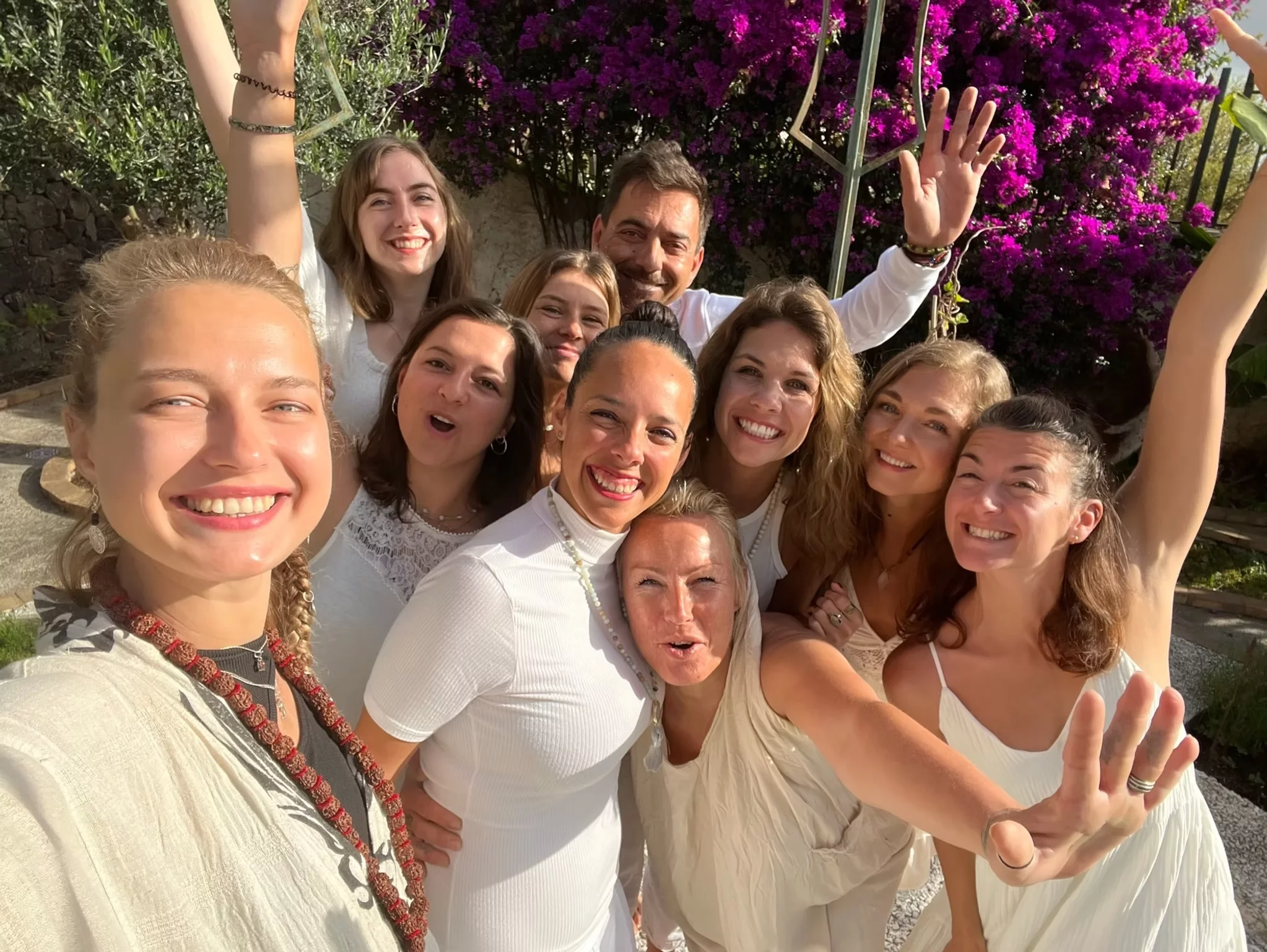
Shambhala keeps their trainings small on purpose. With a maximum of 9 students and 2 teachers, there is time to listen to your questions, explore different perspectives, and give you personal guidance throughout the training. You can take part in discussions, practice what you learn, and receive feedback as you develop your teaching skills.
Trauma-informed and inclusive yoga invites you to look beyond a single approach and recognize that people have different needs and experiences. A small group gives you more opportunity to explore these differences together, exchange ideas, and learn from one another.
For Shambhala, a small group is not just a number. It is part of how they create a more personal and thoughtful way of learning.
Learn with the people behind the school
There is something different about learning in a school where the people who created it are also personally involved in your training.
At Shambhala, Andrea, one of the school’s founders, teaches and stays closely involved throughout your time here. She shares her experience, observes your practice, answers your questions, and is part of everyday life at the school. Ronny, who co-founded Shambhala with Andrea, takes care of the school behind the scenes and helps make sure everything runs smoothly.
Your teachers are part of the Shambhala family, not simply people who arrive to deliver a course and leave. They care about the learning experience they create and the connections that grow when people spend time together. They want you to feel that there are real people here who know you, care about your experience, and are available to support you throughout your training. Because for them, a yoga school is about more than what happens in the classroom. It is also about the people who make it what it is.
Who is this training for?
This training is for yoga teachers and education professionals who want to better understand the different needs of the people they work with and develop a more inclusive, adaptable approach.
You might be a yoga teacher looking to make your classes more accessible, a schoolteacher wanting to connect more effectively with the children and teenagers in your classroom, or an educator interested in understanding how trauma, neurodivergence, and individual differences can influence the way people learn and participate.
This training may be right for you if you:
Want to make your yoga classes or learning environment more inclusive and accessible.
Would like to understand more about trauma and how it can influence a person’s experience of movement, learning, and interaction.
Are interested in neurodivergence, sensory differences, and individual needs.
Want to explore thoughtful language, personal boundaries, and ways of offering meaningful choices.
Would like practical ideas for adapting yoga postures, movement, breathing practices, and relaxation.
Want to develop a better understanding of the people in front of you, rather than expecting everyone to respond in the same way.
Value learning through discussion, personal practice, and sharing perspectives with others.
You don’t need to have all the answers before you arrive. The training offers time to ask questions, explore different approaches, and reflect on how small changes in the way you communicate, guide, and support others can make a meaningful difference.
Although the programme is rooted in yoga and its teaching practices, many of the principles explored can also be relevant to educational settings. Understanding individual differences, communicating clearly, offering choices, and recognizing different needs can help you build more thoughtful connections with the people you teach.
The aim is not to diagnose or treat trauma or to become a therapist. It is to develop a broader understanding of the people you work with and discover practical ways to make your approach more responsive to their needs.
What you’ll learn
Trauma-informed and inclusive yoga brings together understanding, awareness and practical teaching skills. Throughout the training, you’ll explore how to apply these principles in real classes and develop your own approach to supporting different needs.
Understanding trauma and the nervous system
Explore how stress and trauma can influence the nervous system, body awareness, movement, and relaxation. Develop a foundation for understanding why people may respond differently to the same practice.
Trauma-informed teaching principles
Learn how choice, clear communication, predictability, and respect for personal boundaries can shape a more thoughtful teaching environment. Explore ways to offer guidance without pressure or assumptions.
Inclusive yoga and neurodivergence
Consider how sensory preferences, different ways of processing information, and individual support needs can influence the experience of a yoga class. Explore practical ways to make your teaching more accessible and adaptable.
Language, choice and adaptations
Discover how the words you use and the options you offer can influence a student’s experience. Practise giving clear instructions, offering alternatives, and adapting postures and activities to different needs.
Breath, movement and relaxation
Explore how different approaches to movement, pranayama, grounding, and relaxation may be experienced by different people. Learn to offer options rather than assuming that one technique suits everyone.
Bringing it into your teaching
Put your learning into practice through class planning, teaching exercises, discussion, and reflection. Develop practical tools you can take into your own classes while recognising the limits of your role as a yoga teacher.
The 50-hour Trauma-Informed and Inclusive Yoga Programme
Over six days, you’ll explore trauma-informed yoga, inclusive teaching, and the different ways people experience movement, breath, and relaxation. The programme combines theory, personal practice, group discussion, and practical teaching, helping you connect what you learn with your own experience as a yoga teacher.
Understanding trauma and the nervous system
Explore what trauma is and how it can influence the nervous system, body awareness, and a person’s experience of yoga. Develop a foundation for understanding why people may respond differently to movement, breathing practices, touch, and relaxation.
Types of trauma and individual experiences
Explore different experiences of trauma and how they may affect a person’s relationship with their body and their surroundings. Develop a more informed understanding of individual differences without making assumptions about what someone has experienced or how they might respond.
Trauma-informed yoga principles
Discover the principles behind trauma-informed teaching, including choice, clear communication, personal boundaries, and respect for individual autonomy. Explore how these principles can influence the way you structure a class, guide a practice, and interact with students.
Neurodivergence and inclusive yoga
Explore how neurodivergence, including autism and ADHD, and differences in sensory processing can influence the experience of a yoga class. Consider practical ways to adapt your language, instructions, environment, and teaching approach to accommodate different needs.
Adapting postures, breathwork, and meditation
Explore different ways of offering yoga postures, breathing practices, and meditation. Learn to provide options, use accessible instructions, and recognise that practices which feel supportive to one person may feel uncomfortable or unsuitable for another.
Language, choice, and boundaries
Look at how the language you use can influence a student’s experience. Practise offering choices, giving clear instructions, respecting personal boundaries, and creating opportunities for students to participate in ways that work for them.
Teaching trauma-informed and inclusive yoga
Bring your learning together through class planning, teaching practice, discussion, and reflection. Explore how to apply trauma-informed and inclusive principles to real teaching situations and develop practical tools you can take into your own classes.
Throughout the training, you’ll have time to ask questions, exchange perspectives, and reflect on how to bring these principles into your own teaching, while recognising the limits of the yoga teacher’s role.
Your week at Shambhala
Your training begins with a relaxed arrival on Sunday, giving you time to settle in, meet the group, and make yourself at home at Shambhala.
From Monday to Saturday, your days are centred around learning, yoga practice, and exploring trauma-informed and inclusive teaching. There is time for theory, discussion, practical exercises, and teaching, with opportunities to ask questions and learn from one another.
On Sunday, you’ll have time to enjoy your last morning at Shambhala before heading home.
It’s a week with learning at its centre, but not learning every minute. There is also space to connect with the group, enjoy the surroundings, and experience a different pace of life in Tenerife.
Sunday — Arrival
Settle in, meet the group and get comfortable at Shambhala.
Monday–Saturday — Training
Explore the program through theory, yoga practice, group discussion and practical teaching exercises.
Here's a glimpse into a typical day:
07:30 - 09:00 Gentle Vinyasa
09:00 - 10:15 Breakfast
10:15 - 13:00 Theory class
13:00 - 15:00 Lunch
15:00 - 17:15 Practice time
17:30 - 18:30 Restorative / Yin yoga / yoga Nidra / sound bath
19:00 - 20:30 Dinner
22:30 - 06:30 Lights off
Sunday — Departure
Enjoy your last morning at Shambhala before travelling home.
Time to breathe, explore and recharge
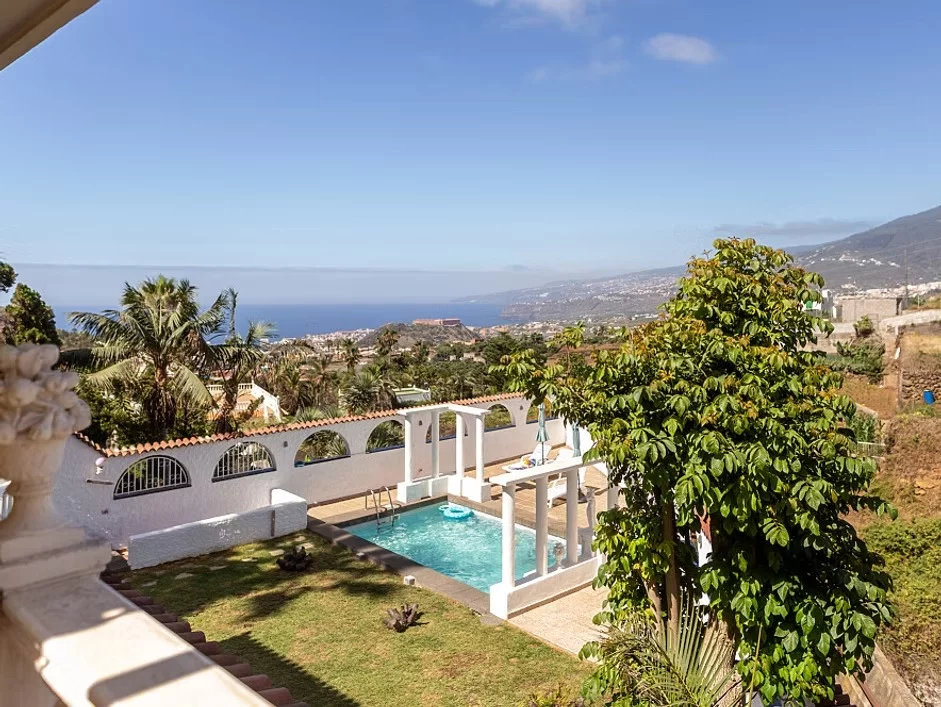
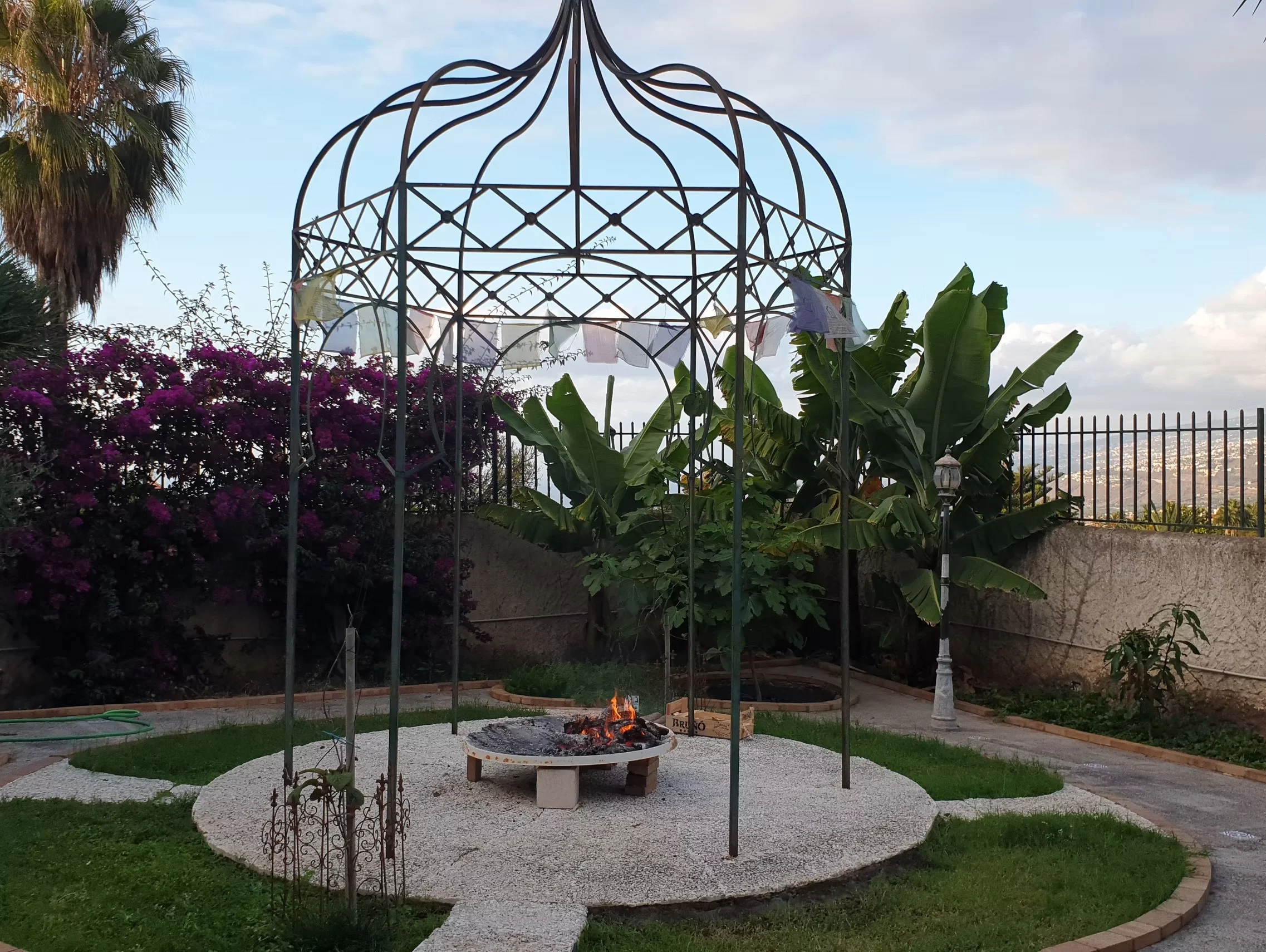
Your training is important, but so is everything around it. Between classes, you have time to slow down, and enjoy Tenerife at your own pace. Sit in the garden with a coffee, take a dip in the pool, explore the island, or simply find a quiet place to rest.
At Shambhala, you can enjoy the garden, spend time by the pool, and unwind in the sauna. During the training, they also organize a special sauna evening — a chance to slow down, spend time together, and enjoy a different kind of warmth after a day of learning.
Surrounded by the mountains and ocean of northern Tenerife, you’ll have space to explore, connect with the group, or do very little at all.
Sometimes, stepping away from your usual routine is part of the learning too.
What's included
Included
- 50-hour trauma-informed and inclusive yoga teacher training
- 6 days of in-person teaching, practice and learning, Monday to Saturday
- Yoga practice, meditation, and pranayama included in the programme
- Course materials
- Certificate of completion for 50 hours of Yoga Alliance Continuing Education
- Use of the yoga shala, garden, pool, and sauna
- 7 nights of accommodation in your chosen room
- Vegetarian ingredients for preparing your meals
- Group transfer from Tenerife South Airport to Shambhala on arrival day, departing at 14:30
Not included
- Flights
- Other airport transfers
- Additional activities
- Personal expenses
Retreat location
Open in Google MapsShambhala Yoga School, 15 Calle Tierra de Oro, La Montañeta, Spain
From volcanic mountains and black-sand beaches to the Atlantic Ocean and the warmth of the Canarian way of life, Tenerife gives you a beautiful setting to step away from your everyday routine and fully immerse yourself in your practice.
How to get there
Airport transfer from Tenerife South Airport on the designated arrival day is included in the price. Airport transfer is offered only at 14:30 on the check-in day. The transfer time cannot be changed or exchanged for another service.
Getting there
Nearest airport:
- Tenerife Sur Airport (TFS) · 38 km away
Reviews
No reviews yet — be the first to share your experience after your stay.
Send Inquiry
8 Day 50 Hour Trauma-Informed Yoga Teacher Training in Tenerife, Spain