Find out when silence begins and ends
The total length of a Silent Retreat may include an arrival day, an introduction and a closing session outside the silent period. Some programmes set aside part of each day for silence; others maintain it across several consecutive days. Ask for the actual boundaries before deciding how much time to book.
This distinction changes the experience. A quiet morning within a social holiday is different from meals, walks and evenings without conversation. Choose according to the space you want around your practice and your familiarity with spending extended time in silence.
Understand how communication still works
Silence should have clear, practical exceptions. Find out how you can speak privately with a teacher, ask about a session or reach someone if you feel unwell. Written questions, scheduled interviews and a designated staff contact are possible arrangements, but the organiser needs to explain their own process.
Clarify what is expected during group teaching and shared meals. You should know which activities involve listening, whether questions are spoken or written, and how essential needs are communicated. Clear arrangements can make a quiet environment easier to navigate, particularly on your first stay.
Look at the practice behind the silence
Silence describes part of the setting, not the whole teaching method. A programme may combine Meditation, Hatha Yoga, walks, talks or independent practice in different proportions. Compare the hours devoted to each element and the amount of support available during longer sessions.
If you want to understand the approach before choosing a silent format, explore Meditation Retreats. Consider both the physical demands and the attention required. A quiet programme can still have a full timetable, early starts and expectations about participation.
Think about the environment between sessions
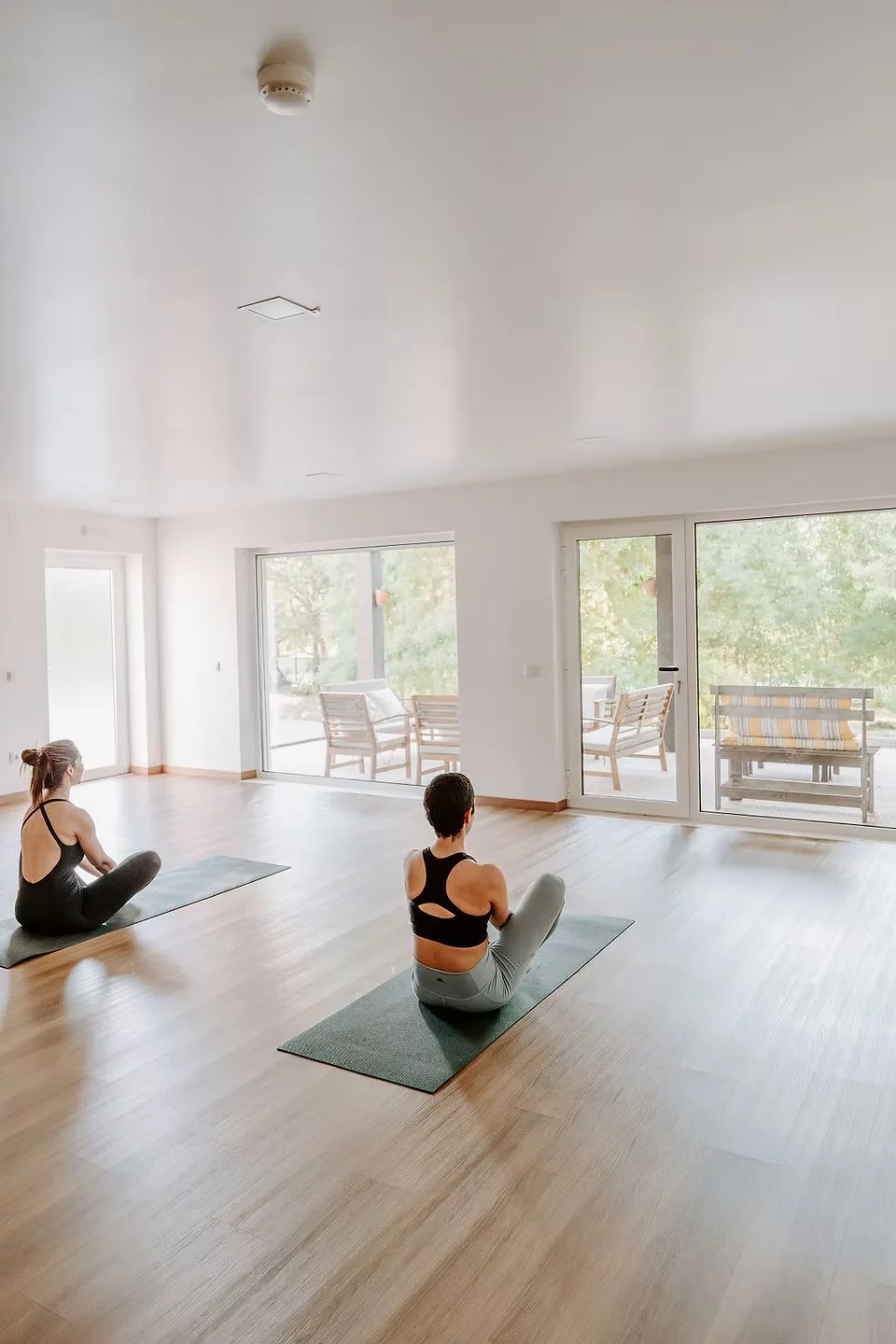
The spaces you share matter when ordinary conversation is limited. Check the room arrangement, bathrooms, dining setting and access to quiet outdoor areas. A private room offers different opportunities for solitude from a shared room, while a secluded address does not automatically guarantee freedom from surrounding noise.
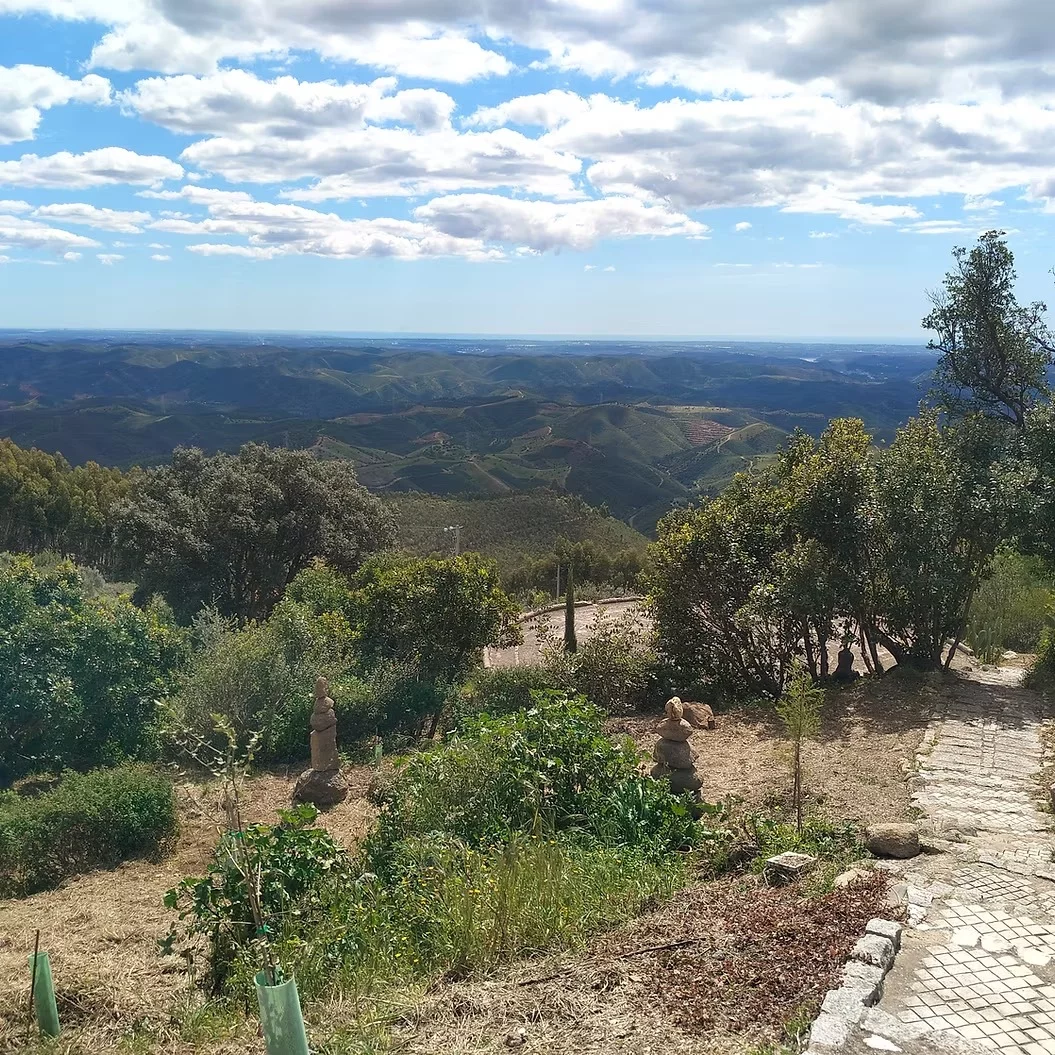
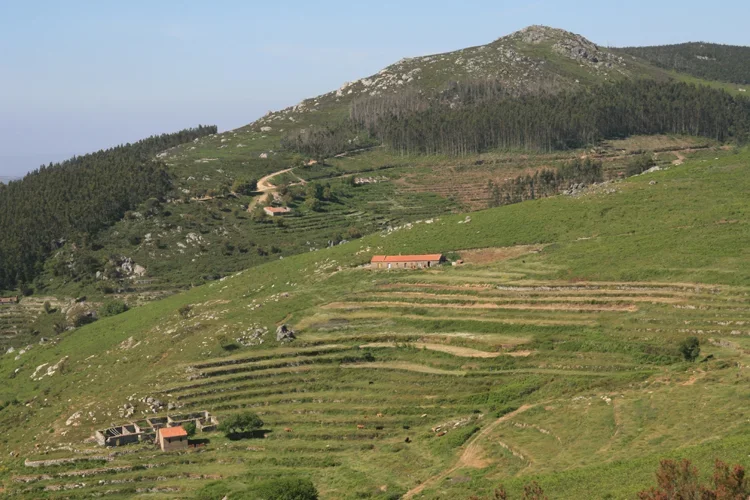
Ask whether the venue hosts other guests or activities at the same time. You can explore Retreats in Portugal as one destination to consider, then compare each programme's actual setting. The country or rural location alone does not define the level of quiet.
Prepare for time without your usual distractions
A Silent Retreat may also have rules about phones, reading, writing, music or other forms of stimulation. These are separate from not speaking, so find out which apply. Arrange an emergency contact plan with someone at home and understand how urgent messages can reach you.
Choose a level of structure you are willing to follow, while keeping a way to ask for help. If intensive practice raises mental health concerns for you, discuss the plan with your clinician. Quiet time is not a guarantee of ease, and support remains important throughout the stay.
Give the closing day some space
Returning to conversation is part of the experience worth planning. Find out whether the programme includes a closing discussion and when it finishes before booking an early departure. A rushed exit can leave little time to ask questions or organise the journey onwards.
You may prefer to keep the following day simple rather than adding several travel connections or social commitments. If a less structured balance of practice and free time appeals, compare Yoga Holidays. Choose the format whose expectations fit the kind of break you want.