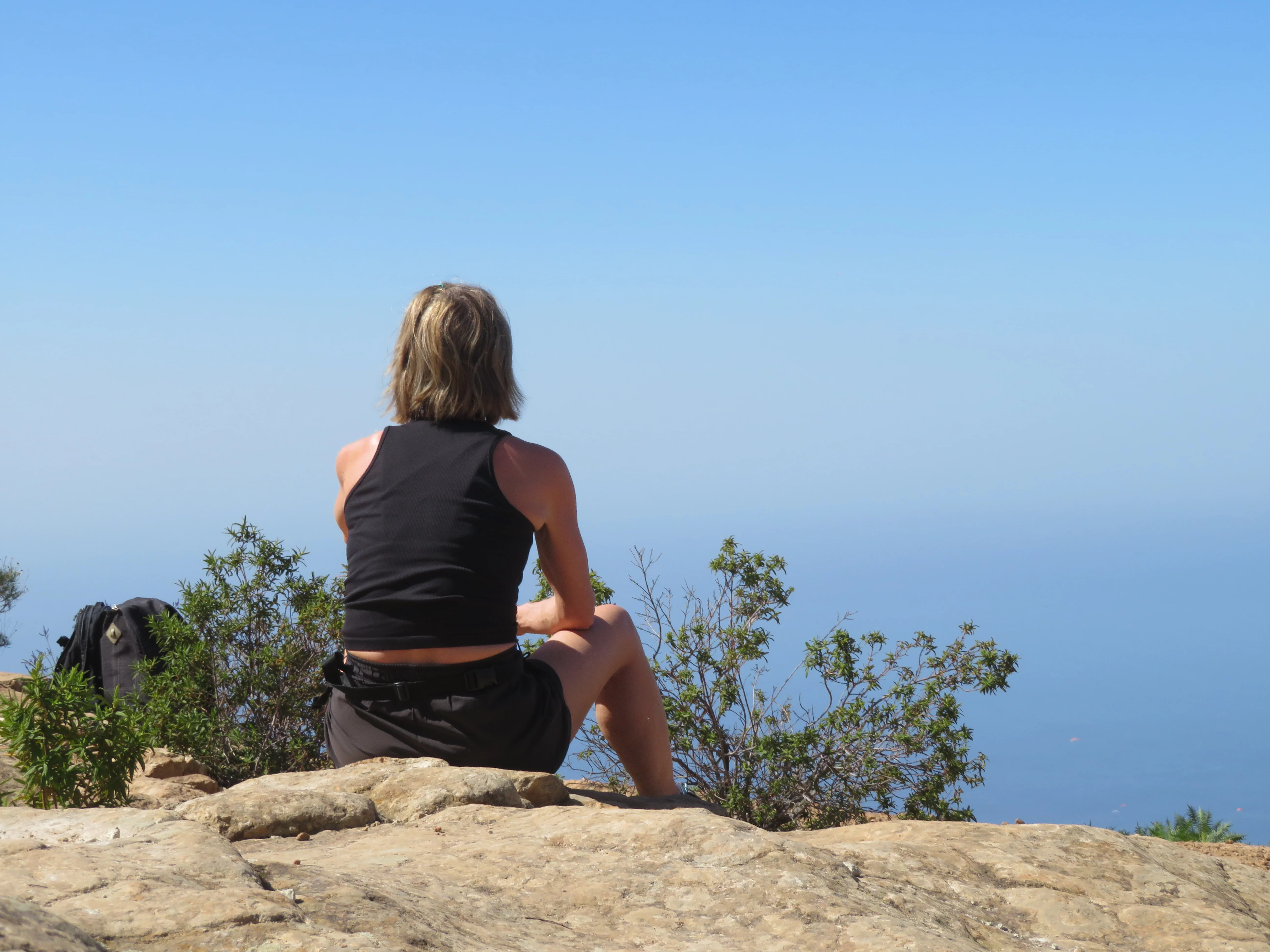
Choose your balance of hiking and Yoga
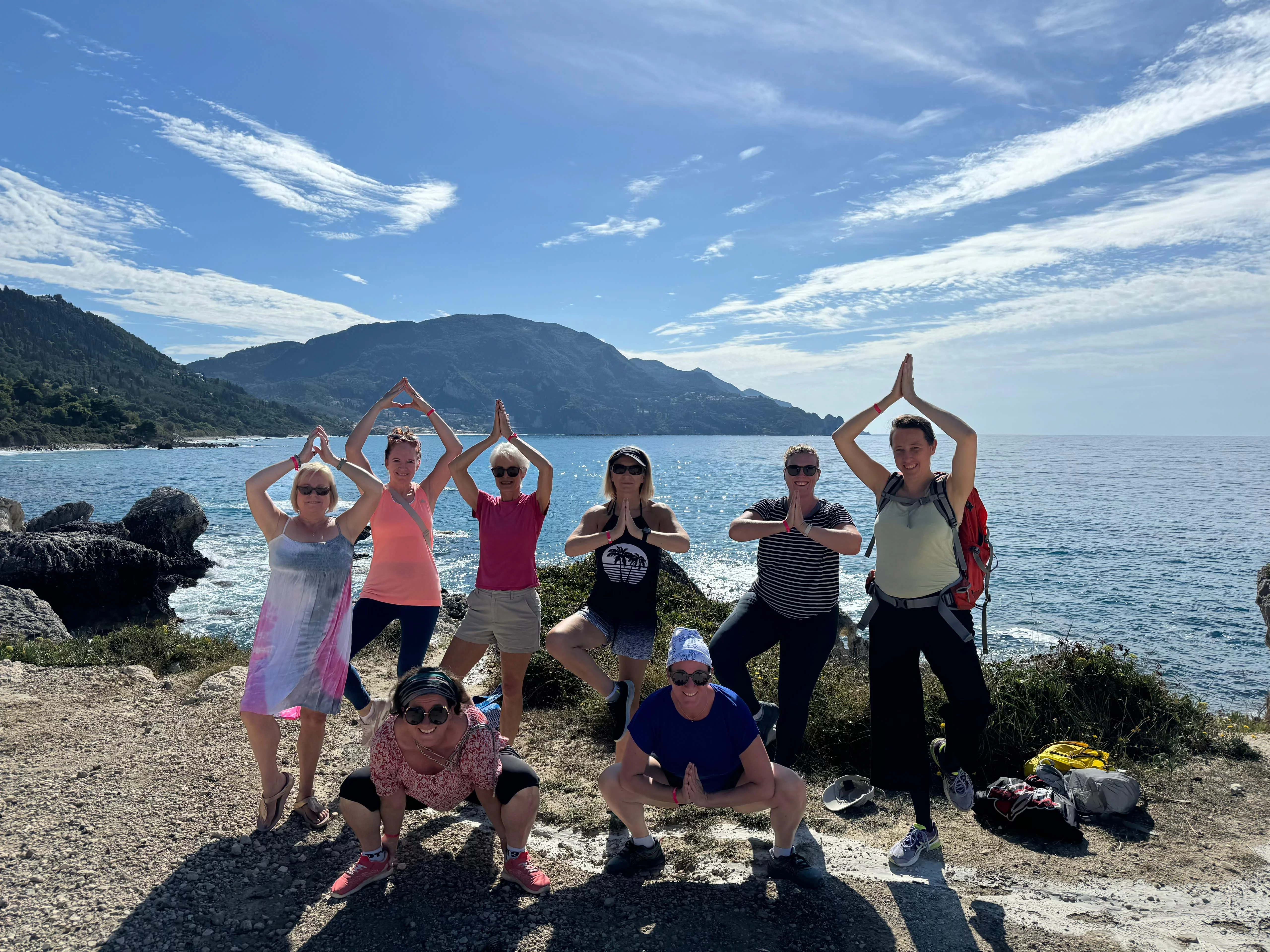
A Hiking and Yoga Retreat brings outdoor exploration and practice on the mat into the same holiday. Yoga is included in this selection, while the walking may range from shorter outings to fuller days on the trail. Begin with the routes you would enjoy and the amount of time you want for both activities.
Hiking can be the main focus or one activity within a broader Retreat. If you enjoy variety, compare Adventureprogrammes, then look at the specific walking involved. A description such as scenic or moderate is most useful when it comes with concrete route information.
Read beyond the distance
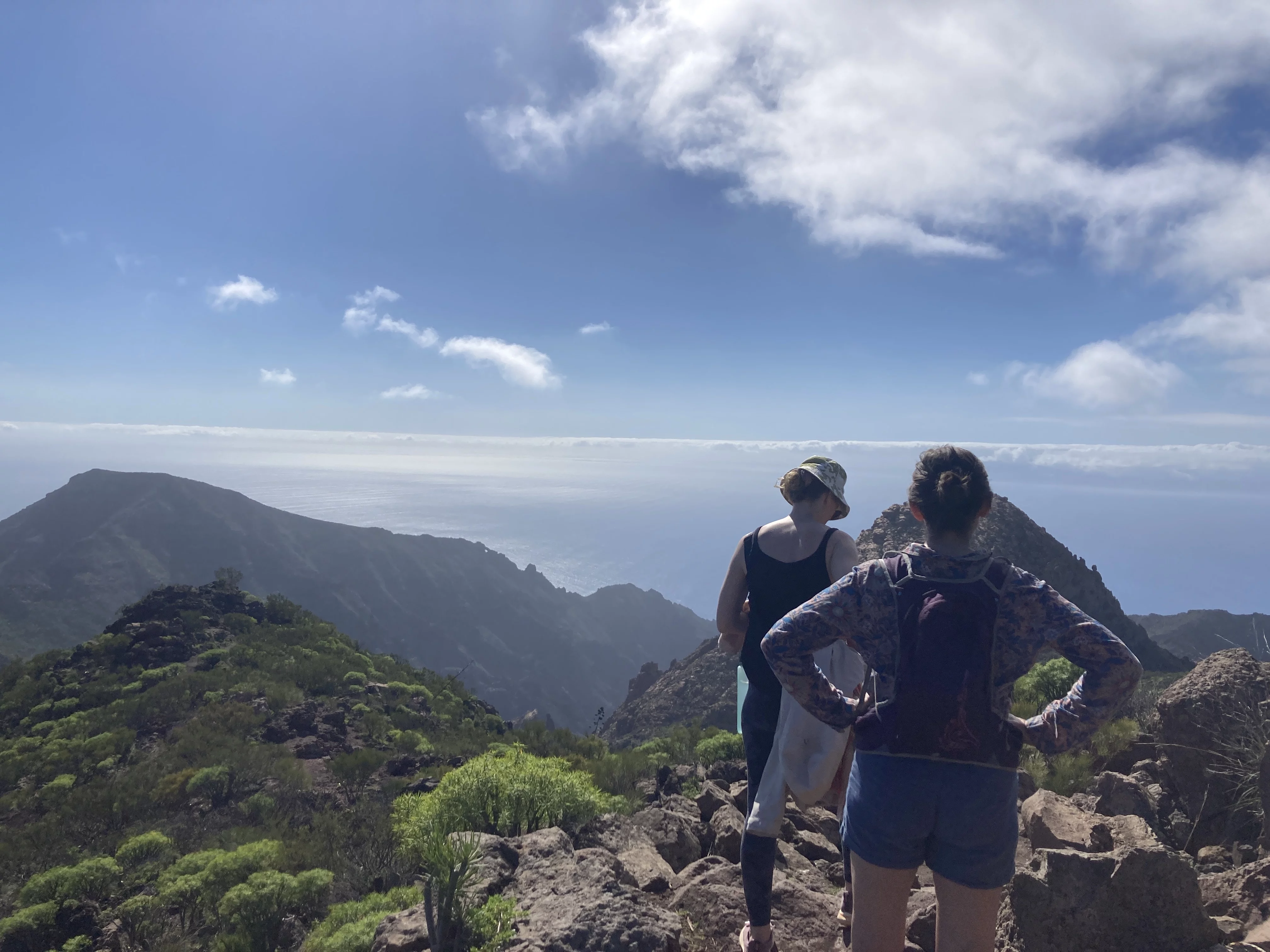
Distance alone is an incomplete guide to a hiking day. Ascent, descent, uneven ground and the expected walking pace all influence the experience. A shorter route with a sustained climb can feel very different from a longer walk on a broad, level path.
Ask for an outline of typical routes, including approximate time, terrain and breaks. Look at consecutive days as well as individual walks. Choose a programme that matches the walking you currently do comfortably, with enough room to enjoy the surroundings rather than concentrating only on keeping up.
Understand how the group moves
Find out whether a guide leads each walk, whether guests follow supplied routes independently or whether the programme mixes both arrangements. Ask how groups are organised when participants have different experience, and what support is available if someone needs to shorten a day.
The pace affects more than physical effort. It determines whether there is time for photographs, conversation and pauses along the way. A smaller group is not automatically slower or more personal; the guide’s approach and the agreed plan matter more than the number alone.
Connect the trail schedule with Yoga practice
Check whether you return to the same accommodation each evening or move between places. A fixed base can simplify packing, while a changing route requires clarity about luggage transport and what you carry during the day. Transfers to trailheads can also take a meaningful part of the schedule.
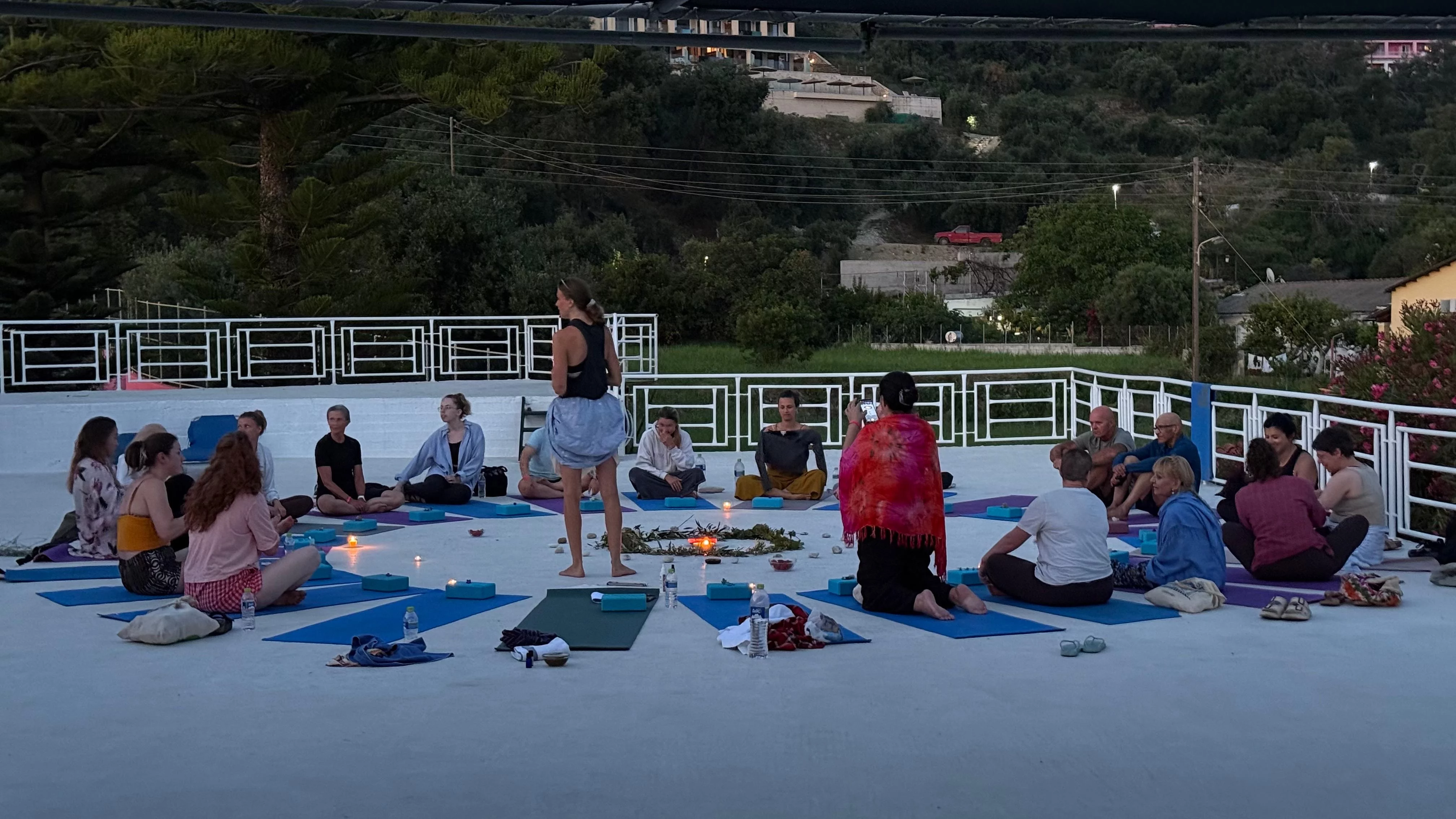
Look for information about meals, drinking water, equipment and footwear for the actual terrain. The included Yoga also has a place in the schedule: compare its style and teaching level, and check how classes fit around early departures or longer walks. Leave enough time to return, change and settle before practice.
Match the season to the route
There is no single best hiking month worldwide. Conditions vary with location, elevation and the route itself. A destination’s beach season says little about the suitability of a mountain trail, and neighbouring areas can offer very different walking conditions.
Keep your choice of destinations open, then ask about the planned routes during your dates. Find out how the organiser responds to unsuitable weather or access restrictions, and whether alternative outings are available. A clear adjustment plan matters more than a promise that every route will run exactly as advertised.
Leave space for the rest of the holiday
A good fit involves the hours after the walk as well as those on the trail. Consider the included Yoga classes, meals, sleep and social time as one timetable. A full day outside followed by a vigorous class creates a different experience from a shorter outing and a slower practice; choose the combination you will enjoy.
If you are travelling with someone who wants less walking, check the options before booking. You might share accommodation and meals while choosing different outings, if the programme allows it. Build the trip around a rhythm you both want, rather than expecting every guest to enjoy the same distance.